Over the next few weeks, we’re focusing on the importance of connection and how to optimize your Internet speeds. Technology is changing, and as the Internet of Things continues to expand, your home will become more dependent on fast and reliable connections.
Even though it’s gradually becoming a trending topic, mesh networks have been around for quite some time. Mesh systems have considerable benefits and are more than a temporary tech hype.
What is a Mesh Network?
Traditional Wi-Fi uses a single router to spread a signal. However, if you’re too far away from the router or there are interferences from walls, appliances, etc., the connection might not reach you.

A mesh network uses the existing Wi-Fi signal from your modem or router to supply internet coverage through a network of interlocking routers called nodes, or points. “Nodes” are referred to as connection points, and each pod within a mesh network serves as an individual point to deliver a strong Wi-Fi signal without the hassle of dead zones or signal drops. The signal will hop between nodes until it reaches a destination.
The Benefits
Larger homes and dwellings with thick walls, multiple floors and other structural obstructions may require additional technology to bring Wi-Fi to areas that the router can’t reach. Mesh networks are designed to blanket your home with wireless coverage. Here are three benefits of a mesh network.
Adaptable and Expandable
A mesh network can be as big or small as you wish. Mesh nodes can be added and removed as less coverage is needed.
Optimal Coverage
One of the main benefits of a mesh network is the coverage you will receive. The system of nodes works together to provide a signal throughout your entire home.
Automatic Connection
A mesh system not only expands your Wi-Fi range but also helps your devices automatically connect to the strongest point as you move around your home. Whether you’re in your bedroom, living room or kitchen, your device will seamlessly switch to the strongest signal.
Choosing Your Mesh System
The best wireless mesh networks provide high-speeds and reliable Wi-Fi that stretches to every corner of your home. There are a number of mesh systems available on the market. We suggest checking out this article for more information on pricing, ratings and more.
There are so many choices that it may be difficult to choose the right system for your home. Next week, we will be looking at Powerline Adapters and how they can help you optimize your Internet connection.
 The placement of your router is crucial! The more walls or floors the signal travels through, the weaker the signal will be. You’ll want to avoid placing your modem close to metal objects and appliances that emit electromagnetic waves, such as microwaves. If you’re looking for the fastest and most reliable signal, elevate your router, place it towards the centre of the house, not too close to walls or appliances.
 Streaming videos, playing games, and browsing online at the same time can take up a lot of bandwidth! This can affect your internet speed and Wi-Fi connection. If you have multiple devices connected over Wi-Fi, it might interfere with your connection. Consider connecting devices such as gaming systems, smart TVs or streaming devices with an ethernet cable. If you have lots of guests, try creating a separate guest network for them.
 Artificial Intelligence has already received a lot of buzz in recent years, because of its effects on the way we live, work and play. We are already dependent on AI technology through navigation apps, streaming services, smartphone personal assistants, ride-sharing apps, smart home devices and more. AI will continue to be an emerging technology and a trend to watch over the next few years.
 The Internet of Things (IoT) encompasses every device that connects to the internet. Wi-Fi connectivity is being included with things like vehicles, thermostats, security cameras, and home appliances. This allows these devices to connect to the Internet and share data. Consumers are already benefiting from IoT, and we’re only in the beginning stages.
 In 2018, nearly everyone caught wind of blockchain technology in relation to cryptocurrencies such as Bitcoin. Blockchain is a continuously growing list of records, called blocks, which are linked and secured using cryptography.
 Virtual Reality (VR) and Augmented Reality (AR) have been hot topics in the last few years and will affect the trajectory of how we use technology. VR immerses the user in an environment while AR enhances their current environment. In the new year, we will see more Mixed Reality (MR) which blends virtual spaces and real-world objects to combine the best of both virtual reality and augmented reality.
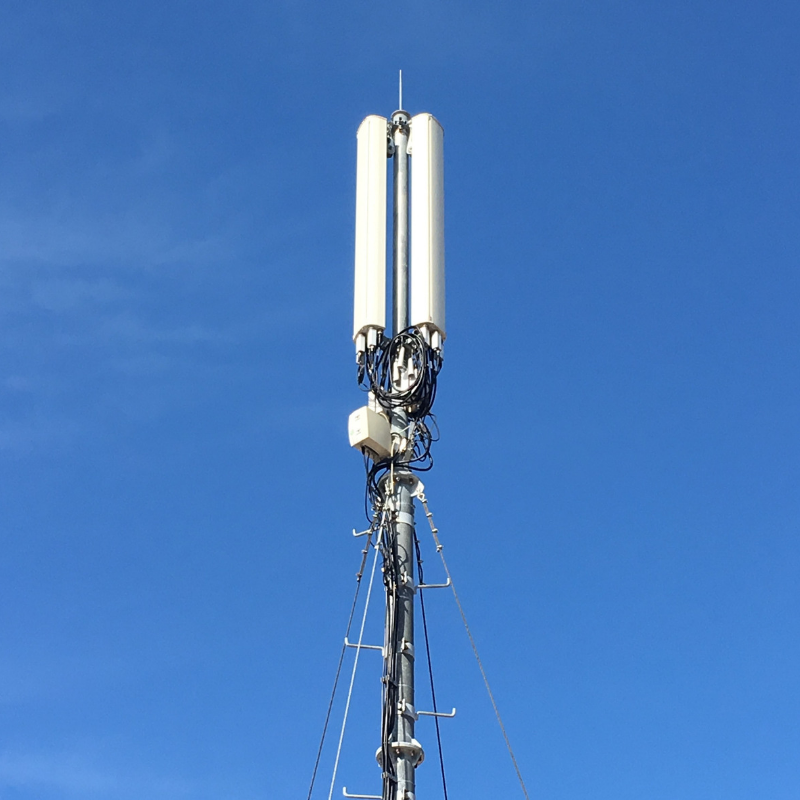 Fifth generation (5G) cellular networks will improve mobile internet connectivity by offering faster speeds and more reliable connections on smartphones and other devices. Throughout 2018, the networks were tested, and in 2019 the first 5G-ready smartphones will be released. Though 2020 is the year that the 5G global standard will release, 2019 will see commercial advances in 5G, pushing the development of the Internet of Things, self-driving vehicles, VR and AR, drone delivery and more.